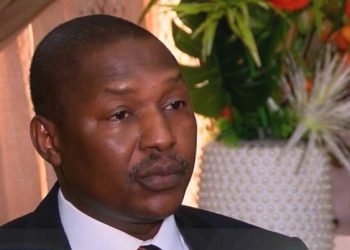


The Secretary to the Government of the Federation, Senator George Akume, CON, has described President Bola Ahmed Tinubu as a detribalised and inclusive leader whose style of governance continues to promote national unity, peaceful coexistence and equal opportunities for all Nigerians, irrespective of ethnic or religious affiliations.
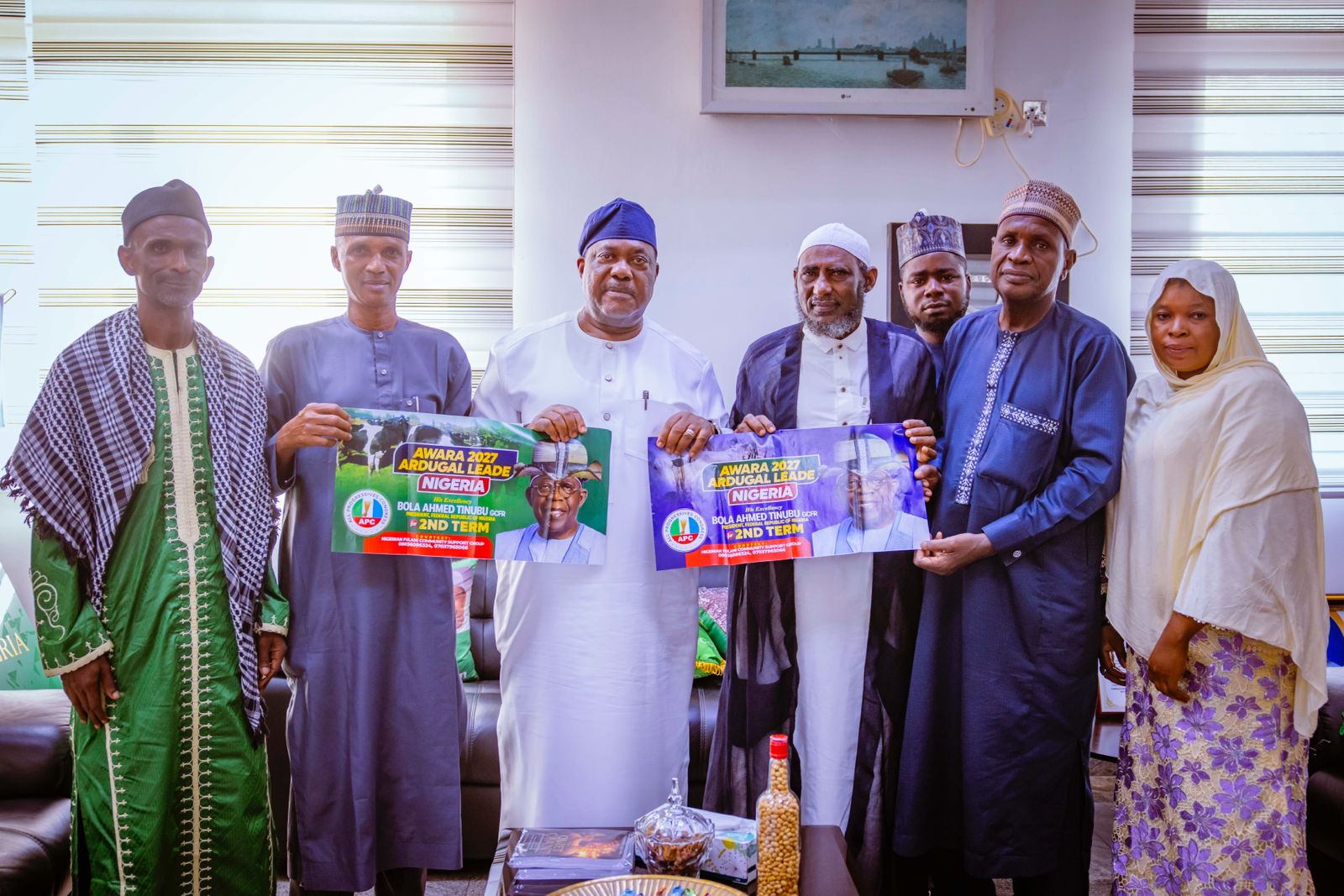
Speaking while receiving the leadership of the Nigerian Fulani Community Support Group (NFCSG) on Tuesday, 4th August, 2026 in Abuja, the SGF said the Tinubu Administration remains firmly committed to building a united nation where competence, character and patriotism take precedence over ethnic or religious considerations.

“Asiwaju is a fantastic man who carries everyone along in his government. He does not discriminate. He demonstrated this during his time as Governor of Lagos State by appointing qualified Nigerians from different ethnic backgrounds into his cabinet. He also ensured that individuals from other tribes who emerged victorious in party primaries were given the opportunity to contest elections on the party’s platform,” Senator Akume stated.
The SGF stressed that the Federal Government would continue to partner with individuals, groups and organisations committed to fostering peace, national cohesion and sustainable development, noting that Nigeria’s diversity remains one of its greatest strengths.
“This government will work with anyone who supports peace and the national development of our country. We must continue to live together in harmony and reject every form of division capable of undermining our collective progress,” he said.

He noted that the President’s commitment to fairness, merit and inclusiveness has remained evident in the composition of his administration and in the implementation of policies aimed at promoting national integration and equitable development across the country.
Responding to requests presented by the delegation, Senator Akume assured them that the Federal Government would give due consideration to their submissions in line with its commitment to responsive and people-centred governance.
“We will look into your requests and see what we can do. Continue the good work you are doing in promoting peace, and let us all work together to ensure a peaceful, free and credible electoral process in 2027,” he added.
The SGF called on all Nigerians to reject divisive narratives, embrace peaceful coexistence and support the Renewed Hope Agenda in building a stronger, more united and prosperous nation, emphasizing that national development can only thrive in an atmosphere of peace, stability and collective responsibility.
Earlier, the National Coordinator of the Nigerian Fulani Community Support Group (NFCSG), Dr. Aliyu Iliyasu Ardido, commended President Bola Ahmed Tinubu for the establishment of the Federal Ministry of Livestock Development, describing it as a landmark initiative with the potential to modernise livestock production, create employment opportunities for pastoral youths and enhance the contribution of the livestock sector to Nigeria’s economic development.
He also expressed optimism that sustained government investment in education, vocational training, modern ranching systems, sustainable grazing practices and veterinary services would improve the livelihoods of pastoral communities across the country.
While reaffirming its support for the Renewed Hope Agenda, the group pledged to continue sensitising Fulani communities on the values of peace, lawful conduct and constructive participation in national development.
It also requested government support in the form of logistics, operational vehicles, motorcycles, renovation of its zonal offices and campaign materials to strengthen its grassroots mobilisation and community engagement activities.
Dr. Ardido assured the SGF of the group’s continued commitment to fostering peaceful coexistence, national unity and democratic participation, expressing confidence that sustained collaboration between government and community-based organisations would further advance national stability, security and socio-economic development.