


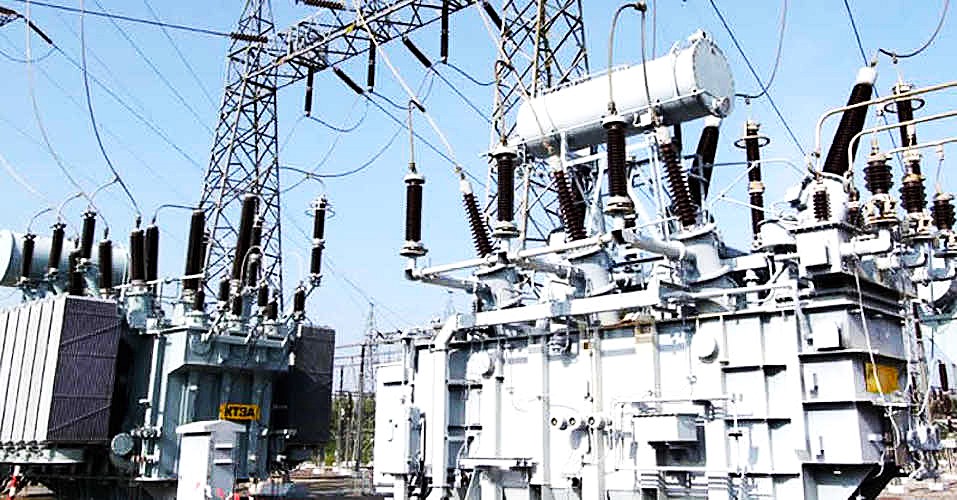
The Federal Government has disclosed that it has paid N333 billion to eight participating electricity generation companies (GenCos), covering 17 power plants, under the first phase of its power sector debt settlement programme.
Olu Verheijen, Special Adviser to the President on Energy, made the disclosure on Tuesday during the investor forum for the N729 billion Series II bond issuance of the Presidential Power Sector Financial Reforms Programme (PPSFRP).
“Series I delivered on its promise. In February 2026, the Federal Government deployed approximately ₦501 billion, N300 billion in cash and roughly ₦201 billion through non-cash bond instruments, addressing approximately 22 percent of the settlement obligations under executed Settlement Agreements, with the balance to be covered through Series II and subsequent issuances,” she said.
She explained that the payment programme had so far settled N333.12 billion to eight participating generation companies covering 17 power plants that had executed participation agreements.
“To date, ₦333.12 billion has been settled to the eight participating generation companies, covering seventeen power plants that have executed participation agreements.
“We met our obligation on schedule. The first Series I coupon about ₦63.5 billion was paid in full on 14 July 2026,” Verheijen stated.

The presidential aide said credibility and trust were essential in attracting private capital, stressing that governments must first demonstrate commitment to honouring their obligations before investors can develop confidence.
“In sovereign finance, trust compounds just as powerfully as interest,” she said.
She added that governments seeking to attract private investment must prove that they would respect agreements, fulfil commitments and maintain predictable policies.
“That is exactly what this Programme has done. Bankability does not begin in financial markets. It begins with governments that honour contracts, meet obligations, and create predictable rules. Capital follows credibility. That principle has guided every stage of this Programme,” Verheijen said.
According to her, the credibility created by the programme was already producing visible improvements across the electricity value chain.
“That credibility is already translating into tangible improvements across the sector. Participating generation companies are meeting obligations to gas suppliers, lenders and operations and maintenance contractors that had previously gone unmet.
“Strong investor participation in Series I was therefore no coincidence. It reflected growing confidence in both this Programme and Nigeria’s broader reform agenda. We are grateful to every institution that placed that confidence in us,” she added.
Verheijen said the new bond issuance would expand the settlement of verified legacy debts, improve liquidity across the electricity sector and strengthen the financial foundation required to attract long-term private investment into Nigeria’s power industry.
“By participating, you are not simply purchasing a financial instrument. You are investing in a reform programme designed to restore payment discipline, strengthen sector cash flows, crowd in private capital, and accelerate Nigeria’s economic transformation,” she stated.
She noted that the programme was not only about financial records or capital markets but about improving the daily lives of Nigerians through more reliable electricity supply.
“Ultimately, however, this Programme is not only about balance sheets or capital markets.
“It is about the student who gains another hour to study because electricity is reliable. It is about the small business owner who no longer depends on expensive diesel to remain open. It is about the manufacturers whose competitiveness improves because power becomes more dependable and affordable,” Verheijen said.
The Federal Government had on Monday announced plans to issue the second tranche of the bond valued at about N729 billion as part of efforts to settle verified legacy debts owed to electricity generation companies.
The Series II issuance forms part of the broader Presidential Power Sector Financial Reforms Programme aimed at improving liquidity, strengthening sector confidence and repositioning Nigeria’s electricity market for sustainable private investment.