

By Commas Uzodimma
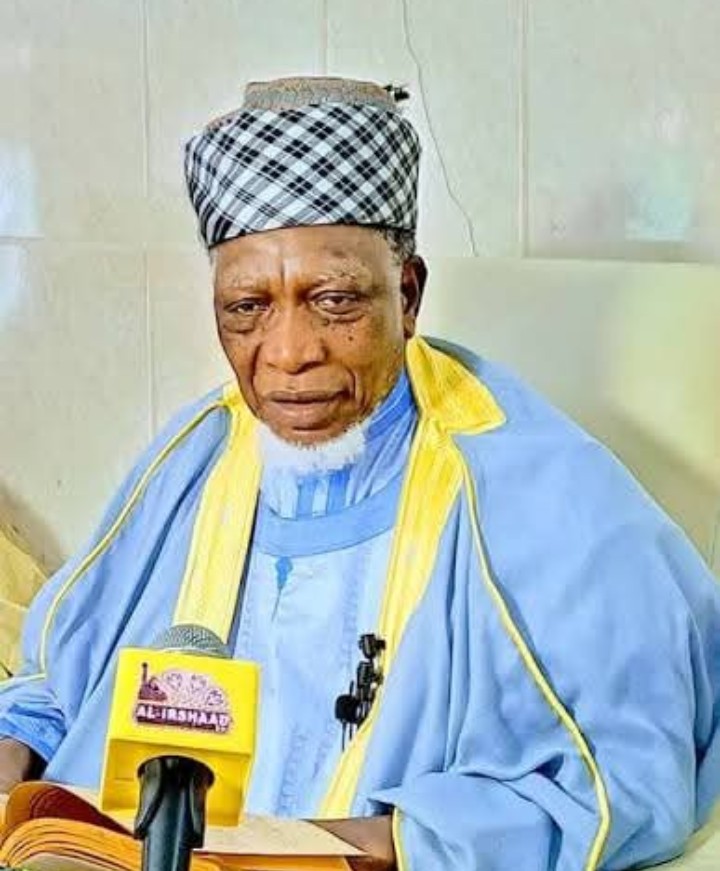
Rather than dwell on the contentious and, to many Nigerians, deeply offensive specifics of Sheikh Yahaya Jingir’s rhetoric, the BBC appeared to look elsewhere. The headline was: “Love Transcends All: 1,000 Couples Say ‘I Do’ in Picturesque Northern Nigerian Mass Wedding.” Was essentially diversionary.
The report foregrounded the dazzling array of matching fabrics, colourful veils and smiling grooms, while the Sheikh’s controversial remarks were presented in the more benign language of a “passionate, traditional reflection on national civic engagement.” Yet the central controversy was hardly incidental. At the event,
Sheikh Jingir reportedly described Christians as infidels and mocked them as having come a distant third in the last general elections.
For many Nigerians, the BBC’s treatment raises uncomfortable questions about editorial judgement and, more broadly, about the enduring perception of British interests and influence in Nigeria. Whether one accepts that interpretation or not, the episode provides yet another occasion to ask whose sensitivities are protected, whose voices are amplified, and whose are conveniently softened in the telling of Nigeria’s political story.
But there is another, perhaps more uncomfortable, dimension to this episode—Our Daddy G.Os and their Esau conundrum.
Like Esau returning famished from the field, some of our Pentecostal leaders and the young Pentecostal Turks of a section of our pastoral establishment may have surrendered a valuable political birthright in pursuit of immediate political gratification. In their characteristic certainty and rhetorical sophistry, they mobilised their followers along paths that failed to reckon with the cold, hard reality that elections have consequences.
Political leverage, once squandered, is not easily reclaimed. The birthright was, in effect, handed over. And much like Esau, discovering the value of what has been given away after the transaction is complete does not reverse the transaction. No amount of indignation, outrage or social-media lamentation can readily restore political leverage that has already been forfeited.
It is therefore tempting to make Sheikh Jingir the villain of the story. His reported remarks certainly deserve scrutiny and condemnation where they cross the boundaries of civility, religious tolerance and responsible public discourse. But there is a harder lesson embedded in the episode.
Power abhors a vacuum.
The Sheikh did not create the political landscape upon which he now stands. He stepped onto a stage shaped by the choices, alliances, miscalculations of our politicians and prophets and pastors. The political influence that now appears so formidable was not forged by rhetoric alone; it was also enabled by the decisions—and, perhaps, the strategic apathy—of those who helped create the environment in which such rhetoric could flourish.
Sheikh Jingir may have spoken from the political canvas as he perceived it. But those who helped paint that canvas cannot entirely disown the portrait that has emerged.
#sheikhyahayaJingir #Infidels #elections#BBC
*Dr. Uzodimma, a consummate journalist and public affairs analyst, lives in Abuja