

*Nigerians lament nationwide
Serious concerns have arisen over another round of increases in the price of Premium Motor Spirit (PMS), popularly known as petrol, following a recent upward review by the Dangote Petroleum Refinery, which again raised its gantry price up by N85 per litre amid a sharp rally in international crude oil prices.
The refinery last week increased its PMS ex-gantry price from N1,265 to N1,350 per litre, representing a 6.7 per cent increase and bringing the product closer to the N1,500 per litre threshold in parts of the country.
The latest adjustment has already triggered a fresh round of price increases by some major filling station operators, with motorists in different parts of the country now paying between N1,395 and N1,460 per litre.
The development has raised concerns that petrol prices could climb further if the upward movement in crude oil prices and petroleum product replacement costs persists.
There are concerns that Nigeria and the rest of the world are going to face elevated fuel prices for a much longer period as the US-Iran war is not showing any sign of abatement yet.
The internationally benchmarked Brent crude hit $107 per barrel last week, which was a six-week high, before it dropped to $104 as of yesterday.

The development comes at a time when petrol prices have already risen substantially across the country following previous increases in crude oil prices and the changing cost of importing or replacing petroleum products.
Daily Trust reports that petrol was initially sold for between N1,290 in Lagos and N1,350 per litre in parts of northern Nigeria.
The latest increase in the Dangote Refinery’s gantry price could, however, put additional pressure on retailers in the region to review their pump prices, particularly as transportation costs and other distribution expenses vary from one location to another.
Some retail outlets have already responded to the latest wholesale price adjustment.
Checks in Abuja showed that MRS retail outlets increased their pump price from N1,350 to N1,395 per litre.
NIPCO retail outlets also raised their price from N1,350 to N1,430 per litre, while Mobil outlets increased their price from N1,350 to N1,400 per litre. Other marketers similarly adjusted their prices upward.
In Kano, Aliko increased its pump price from N1,365 to N1,430 per litre, while Matrix raised its price from N1,365 to N1,460 per litre.
Also, AY Maikifi increased from N1,330 to N1,430, while AA Rano increased its pump price from N1,365 to N1,460.
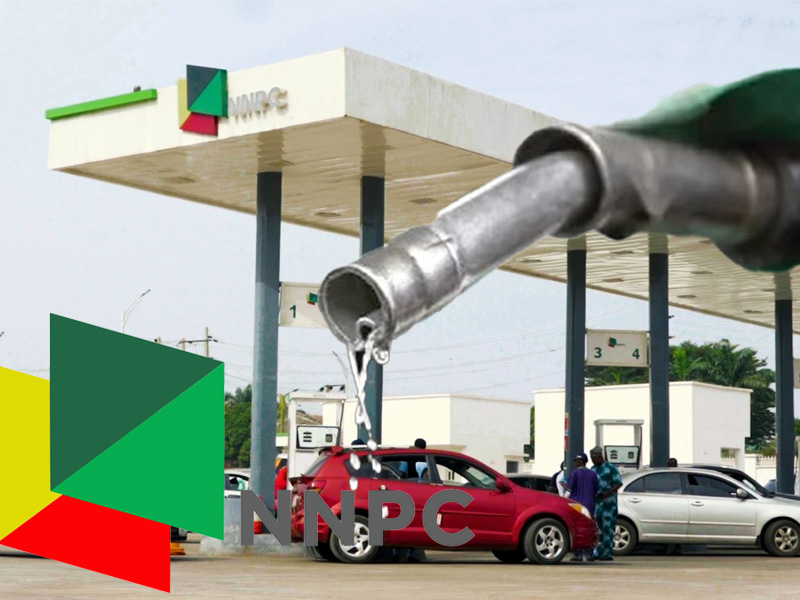
In Lagos, NNPC filling stations also increased their pump price from N1,295 to N1,380 per litre, while North West stations increased to N1,390.
Also, fuel prices in Ibadan, the capital of Oyo State, hit N1,400 a litre on Sunday, fuelling speculation that the product may increase further in the week and unsettle most consumers in the state.
But consumers will likely bear the pangs of the new price changes when work resumes tomorrow, following which fares will be adjusted by commercial bus drivers.
At Amazing Investment Limited, an independent service station in Felele, Ibadan, the new pump price of N1,420 was conspicuously displayed on the company’s billboard.
The service station told Daily Trust that the pump was adjusted on Saturday amid scanty patronage when its reporter visited the station.
Besides, most service stations in Molete, Bere and Oja Oba have adjusted their electronic billboards to reflect N1,400 per litre.
Meanwhile, motorists have lamented the new price tag on petrol, saying the development is a burden to their survival.
They said the downward movement of prices only lasts for a few days, only to be greeted with a wider margin, which does not augur well for them.
Aremu Demola, a commercial driver who plies Bere-Ono Oba, said he and his co-drivers would bear the burden of the current adjustment because of weak cash flow in town.
“People don’t have enough to witness the economic stress in the state, let alone the pains associated with price adjustment of fuel.
“How do we adjust immediately with a possible transport fare hike? This is tiring and disturbing.”
Stakeholders said the current hike is due to a mix of global oil costs, refinery pricing, deregulation and logistics.
However, the broad direction of the adjustments is the same, with retail petrol prices moving upwards following the increase in the ex-depot price.
The impact of the latest price movement was also evident in the South-South, where petrol prices have risen to N1,400 per litre in Port Harcourt, Rivers State, and N1,385 per litre in Yenagoa, Bayelsa State.
Checks across some filling stations in Port Harcourt on Sunday showed that several outlets that had previously sold petrol at lower prices had adjusted their pump prices to N1,400 per litre.
A filling station manager at Rumuokoro, Port Harcourt, told Daily Trust that the outlet adjusts its pump price according to the price at which it lifts products from the tank farm.
According to him, the station would also reduce its selling price if the landing cost and corresponding cost of obtaining the product decline.
A driver, Chime Alison, said his transport fare had remained unchanged despite buying petrol at N1,400 per litre.
He, however, said the situation could become unsustainable if the new price persists.
He said he would increase his transport fare from this week if petrol continued to sell at the current price.
The expected increase in transport fares could have a ripple effect on commuters and businesses, especially those whose operations depend on road transportation.
The latest PMS increase comes against the backdrop of an already challenging cost-of-living environment.
For households, higher petrol prices could translate into increased spending on transportation, while businesses could face higher operating costs as they contend with more expensive logistics and power generation.
Small and medium-sized businesses that depend on petrol-powered generators are particularly exposed to fluctuations in PMS prices.
A Kano resident, Omar, said he bought fuel at N1,470 a litre on Sunday.
“There is no doubt it will get to N1,500 very soon. I believe we wouldn’t have bought at this exorbitant price if our subsidy was still in place.”
For motorists, the impact is more immediate as the amount required to fill vehicle tanks increases with every upward movement in pump prices.
A motorist, Modele Oluwasegun, plying Berger to Ikeja, described the development as deeply frustrating. According to him, most of them are facing pressure to increase transport fares.
“Many people are still complaining that what we charge is too exorbitant. But look at what we are paying for fuel. We don’t even know when this whole crisis will end.”
The Independent Petroleum Marketers’ Association of Nigeria (IPMAN), while expressing dismay over the increase, said it is beyond the Federal Government.
National Publicity Secretary of IPMAN, Chinedu Ukadike, in a chat with our correspondent, said, “This price of crude oil is beyond the government. It is because of the crisis in the Strait of Hormuz. The more the tension continues in the Strait of Hormuz, the more crisis we will have with the cost of crude oil in the international market.”
He advised that the Presidential Committee on Naira-for-Crude should make adequate crude supply available to local refineries so that Nigeria can be insulated from the vagaries of the international market.
“The local refineries should get crude oil at a very reasonable cost so that this crisis does not continue to affect us. Whatever the government can do, it will go a long way.
“Don’t forget we also have a problem of insecurity and because of that at times the government is unable to meet its OPEC quota. So let’s hope that the Presidential Committee will come up with something reasonable,” he said.