

By Boma West
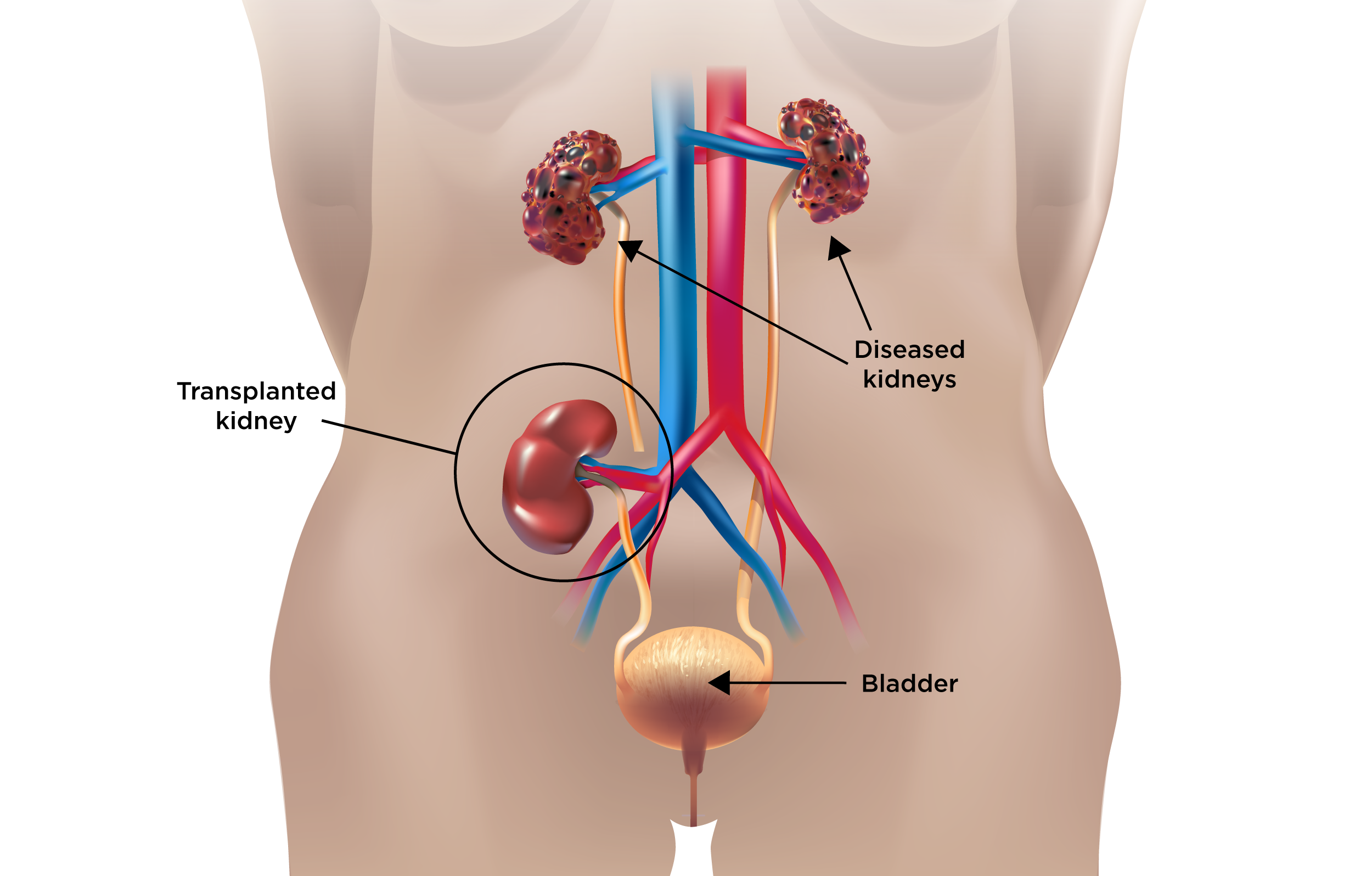
A quiet but dangerous trade has taken root along the Keffi-Abuja highway, and it is costing young Nigerians their organs, their health and sometimes their peace of mind. In communities like Mararaba, Nyanya, New Nyanya and the Ado-Masaka axis of Karu Local Government Area, Nasarawa State, reports of young people selling their kidneys for quick cash have moved from whispered rumour to documented crime.
In November 2025, the Nasarawa State Police Command paraded a suspect accused of luring four young men, aged between 20 and 32, into agreeing to sell their kidneys for N2 million each. The victims had already undergone pre-surgery screening at a private hospital in Abuja and were lodged in a hotel to stabilise their blood pressure before operatives raided the facility and rescued them.
The suspect reportedly confessed that this was not his first transaction, admitting to an earlier deal in which he earned a commission after paying a donor N2.5 million for a kidney.

Investigative accounts from within Mararaba paint an even bleaker picture. Agents operating in the area act as go-betweens, connecting desperate young men with patients, often from outside the country, who need a kidney urgently. The going rate quoted by residents sits around N1 million, though donors frequently report being short-changed by the very agents who recruited them. Many of those who go through with the procedure come from poor households, without stable jobs, and see the offer as a way out of debt or hardship.
What draws young people into this trade is not ignorance but desperation. Unemployment in the area is high, and the promise of a lump sum that can clear debts, pay rent or fund a small business is difficult to resist when there seems to be no other option in sight. Agents exploit this vulnerability, often downplaying the medical risks while emphasising the money.
Those risks are serious and permanent. Living with one kidney raises the long-term chance of high blood pressure, kidney disease and other complications, especially without proper post-operative care and follow-up, which many donors in these transactions do not receive. Some return home with poorly managed wounds, no continued monitoring and no real understanding of the lifestyle changes required to protect their remaining kidney. A few have reportedly been cheated out of the agreed payment entirely after the procedure, left with a permanent medical condition and nothing to show for it.

Nigerian law treats the trafficking of human organs as a serious offence under the country’s anti-trafficking framework, yet enforcement in communities like Karu remains thin compared to the scale of the problem. Private hospitals used for screening and post-operative stabilisation deserve closer scrutiny from health regulators, since a functioning trafficking chain cannot operate without medical facilities willing to participate at some stage of the process.
Government action is needed on more than one front. The Nasarawa State Ministry of Health and the Medical and Dental Council should audit private hospitals in the Karu axis for compliance with transplant regulations, since organ transplants require documented consent, family verification and ethical review that traffickers routinely bypass. The National Agency for the Prohibition of Trafficking in Persons and the police should expand surveillance of known recruitment points in Mararaba and Nyanya, building on the momentum of recent arrests rather than treating each case as isolated.
Community vigilance matters just as much as policy. Parents and guardians should pay attention to unexplained absences, sudden unexplained wealth, or a young relative returning from a trip with a fresh abdominal scar and a story that does not add up. Anyone approached by an agent offering fast money for a “medical donation” abroad or in Abuja should treat the offer as a warning sign, not an opportunity, and report it to the nearest police division or NAPTIP office rather than keeping it within the family.
Young people considering this path deserve honest information rather than judgment. The money offered rarely matches the lifelong cost to their health, and the agents behind these deals are rarely held accountable when something goes wrong. Real solutions to poverty in Karu will come from jobs, skills training and access to credit, not from a trade that treats human organs as currency. Awareness, reporting and stronger oversight of the hospitals involved offer the clearest path to shutting this trade down before more young lives are affected.
*West is a journalist and development practitioner with over a decade of experience in media, human rights advocacy, and NGO leadership. She can be reached at bomawest111@gmail.com.