


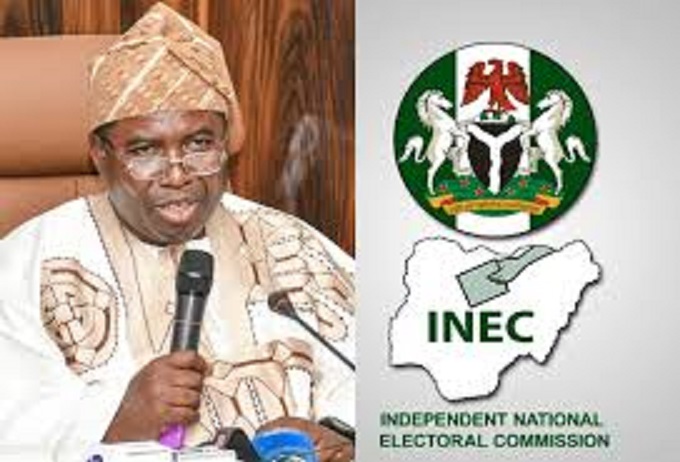
The Independent National Electoral Commission (INEC) has cautioned journalists, broadcasters and online media practitioners against the spread of fake news, misinformation and premature declaration of election results ahead of the Ekiti State Governorship Election 2026.

The warning was issued on Tuesday during the INEC Media Stakeholders’ Forum held in Ado-Ekiti, where media executives, editors, reporters and on-air personalities gathered to discuss preparations for the forthcoming election, according to a report by INEC Bulletin edited by Victoria Eta-Messi.
Representing the National Commissioner and Chairman of the Information and Voter Education Committee (IVEC), Bunmi Omoseyindemi said inaccurate reporting, manipulated videos and unverified election figures posed significant risks to electoral credibility and public trust.
“We call on media executives to establish and activate fact-checking protocols. We call on reporters to verify information from official INEC sources before broadcasting or publishing,” Omoseyindemi said.

He warned against the rush to break news without verification, stressing that sensational reporting could generate panic, reduce voter turnout and threaten peaceful elections.
“The media is not just an observer in the electoral process; the media is a strategic partner in safeguarding democracy,” he added.
According to the Resident Electoral Commissioner, 64 media organisations have applied for accreditation to deploy approximately 560 journalists to cover the election, while the accreditation portal will close on June 7.
He disclosed that the election would take place across 16 local government areas, 117 wards and 2,445 polling units, with 13 political parties expected to participate.
Omoseyindemi said INEC had substantially completed major preparatory activities, including publication of the final list of candidates and presentation of the voter register to political parties.
He added that the commission would deploy the Bimodal Voter Accreditation System (BVAS) and the INEC Result Viewing Portal (IReV) to strengthen transparency in voter accreditation and result management.
The REC also announced that collection of Permanent Voter Cards (PVCs) in Ekiti State would begin at registration areas from June 4 to June 8, before moving to local government offices between June 9 and June 11.
Speaking at the forum, Adedayo Oketola described misinformation as one of the greatest threats to peaceful elections.
“The greatest threat to a peaceful election today is often not physical violence, but information pollution,” he said, adding that journalists must prioritise accuracy over speed.
He revealed that seven out of nine activities outlined in the election timetable had already been completed, while INEC was targeting simultaneous opening of all polling units by 8:30 a.m. on election day.
Also speaking, Kayode Babatuyi said the union had introduced measures aimed at tackling fake news and improving accountability among online journalists.
He reaffirmed the union’s commitment to ethical journalism and responsible coverage of the election.
The one-day forum featured technical briefings by INEC officials on election logistics, deployment of electoral technologies and provisions of the Electoral Act 2026, as part of efforts to strengthen collaboration with the media ahead of the governorship poll.