

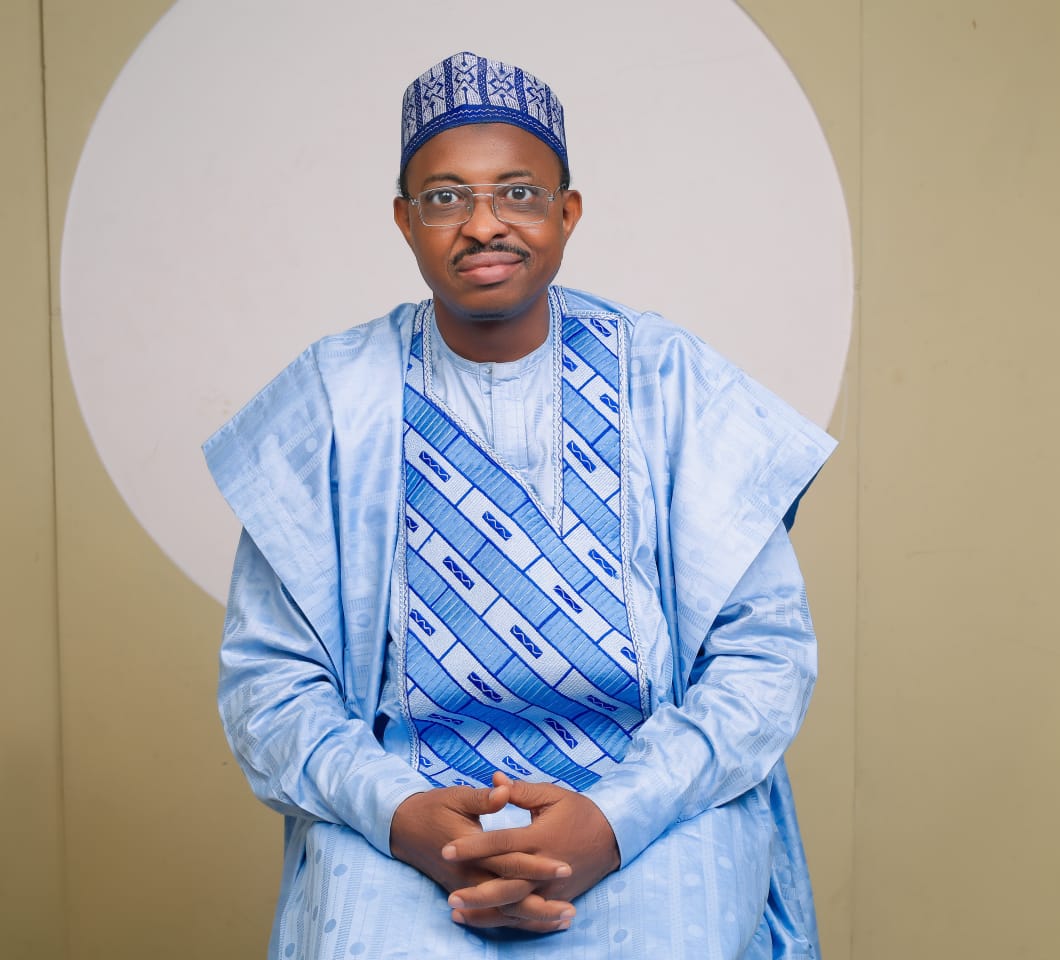
As Nigeria edges closer to the 2027 general elections amid deepening economic hardship and widespread public discontent, the Social Democratic Party (SDP) is positioning itself as a credible alternative to the country’s dominant political forces. In this interview, SDP National Chairman, Dr. Sadiq Umar Abubakar Gombe, speaks on the party’s grassroots revival strategy, its people-centred ideology, plans for internal democracy, and its stance on political coalitions. He also delivers a scathing assessment of the Tinubu administration, warning that rising poverty, insecurity, and policy somersaults threaten Nigeria’s democratic and economic future.
Gombe insists that the SDP—backed by its historic legacy, renewed internal reforms, and emphasis on integrity and service—is prepared to lead what he describes as a “rescue mission” for Nigeria, reports, ADA OKAFOR in Abuja.

The SDP currently has limited representation in the National Assembly and state Houses of Assembly. As national chairman, how are you repositioning the party ahead of 2027?
Dr. Sadiq Umar Abubakar Gombe:
It is true that our current representation is modest, but the next elections will be elections of equity, fairness, and justice. Nigerians are facing unprecedented hardship, and this has significantly raised political consciousness across the country.
Since assuming office, we have focused on reconnecting the party nationwide, rebuilding our structures at the ward, local government, and state levels, and restoring confidence in the SDP. Our ideology is rooted in humanitarianism, justice, equity, and welfarism, values that distinguish us from many parties today, particularly the ruling party.
Our leadership vision is people-oriented development, poverty reduction, security, and inclusive governance. Nigerians are now more politically aware; they follow discussions through both traditional and social media and can clearly differentiate between empty rhetoric and practical solutions. This is why the constructive engagement of our 2023 presidential candidate, Prince Adewale Adebayo, resonates with many Nigerians—he does not merely criticize government policies but offers workable alternatives.
Leadership must be judged by tangible outcomes: how many people are lifted out of poverty and how policies improve daily life. Even while not in government, the SDP is actively engaging communities through health initiatives, youth sports development, and welfare programmes across the country, including in Ondo State. These efforts are steadily rebuilding trust and expanding our support base.
Critics argue that the SDP is not popular enough to win elections. How do you respond to this perception?
This conversation should not be limited to popularity. History is instructive. In 1993, the SDP won what remains the freest and fairest election in Nigeria’s history, an election later acknowledged and apologised for by the same military regime that annulled it. That legacy still resonates deeply with Nigerians.
The so-called popular parties have had decades to govern, and Nigerians can see clearly where the country is today. The harsh economic policies affecting livelihoods—high cost of living, unemployment, and insecurity—are themselves campaigning for the SDP.
Our strategy is issue-based and solutions-driven. We assess government policies, examine their impact on ordinary Nigerians, and propose better alternatives. In a free and credible electoral environment, Nigerians will vote based on competence, vision, and character—not ethnicity, religion, or empty slogans.
Our focus areas include security, education, youth development and empowerment, women inclusion, and economic opportunity. These are not just promises; they are areas where the SDP has clear policy directions, and Nigerians are increasingly paying attention.
Given the dominance of the ruling party, is the SDP considering coalitions or alliances ahead of 2027?
Our position is very clear: we believe in a coalition of the people, not merely a coalition of politicians. Many politicians moving from party to party today are the same individuals who have contributed to Nigeria’s challenges over the decades. Recycling them under a new platform does not offer Nigerians a credible alternative.
That said, no single opposition party can defeat the ruling party alone, so alliances are inevitable. However, such alliances must be built on a shared understanding of Nigeria’s problems and a genuine commitment to reform—not personal ambition or opportunism.
What we see today are political elites negotiating among themselves while leaving the people in poverty, insecurity, and misery. The SDP is doing things differently by engaging directly with citizens, civil society organisations, youth groups, women groups, and community leaders. Our goal is to build a movement anchored on integrity, competence, patriotism, and service to the masses.
The SDP recently took disciplinary action against some national officers. How does this reflect the party’s readiness for 2027?
The SDP today is one of the most credible and viable alternatives for Nigerians. With over 90 registered political parties in the country, the SDP stands out as one of the oldest with strong name recognition and a respected legacy symbolised by the White Horse of the Hope ’93 movement.
However, credibility begins with internal discipline. When the National Working Committee discovered financial irregularities and fraudulent activities, we acted decisively. Following due process, some national officers were suspended, investigated, and eventually expelled after refusing to appear before disciplinary panels.
This was not a crisis or factional dispute; it was an institutional response guided by the party’s constitution. Twelve out of fifteen NWC members took these decisions collectively. This cleansing process demonstrates that the SDP is serious about transparency, accountability, and corruption-free leadership. A party that seeks to govern Nigeria must first put its own house in order.
With multiple presidential aspirants emerging, how will the SDP prevent post-primary crises and defections?
Yes, our 2023 presidential candidate, Prince Adewale Adebayo, has expressed interest, and there are other capable members with similar aspirations. More may still emerge.
Post-primary crises often arise from injustice, lack of transparency, and exclusion. In the SDP, we are committed to providing a level playing field for all aspirants. Our internal democracy is anchored on justice, equity, and fairness.
Every aspirant will be given equal opportunity to compete, and when party members see that the process is transparent and credible, they will rally behind whoever emerges. A party that cannot manage its internal competition fairly cannot realistically challenge a deeply entrenched ruling party.
What is your assessment of the Tinubu administration as Nigeria approaches 2026?
Nigeria is complex, and we acknowledge that this administration inherited serious challenges. However, the approach so far has been deeply troubling. The removal of fuel subsidy without adequate social cushioning imposed severe hardship on citizens, and now additional tax reforms are being introduced while many Nigerians struggle to survive.
Government exists to serve the people. Even in developed countries, policies are centered on public welfare. Taxes alone cannot build a nation without efficient service delivery, infrastructure, and accountability.
We are concerned about rising poverty, escalating insecurity, excessive borrowing, corruption, and the extravagant lifestyle of those in power. Nigeria is a major oil producer, yet citizens face hunger, unemployment, and economic instability. A hungry population cannot be patriotic.
Nigerians are hardworking and resilient, but they need leadership with purpose, empathy, and vision. With the right leadership and prudent use of scarce resources, Nigeria can achieve far more than it currently does.