

*Unveils ₦3.3trn tax waivers, transport relief measures
President Bola Tinubu has finally acknowledged that his removal of the petrol subsidy immediately during his inauguration as president on May 29, 2023, has inflicted hardship Nigerian households, saying his administration is expanding affordable transportation alternatives to cushion the impact.
Tinubu said the decision to remove the subsidy came with a responsibility to provide practical solutions to reduce transportation costs, particularly for Nigerians who continue to struggle to access affordable transport services, although it took more than three years to realise that.
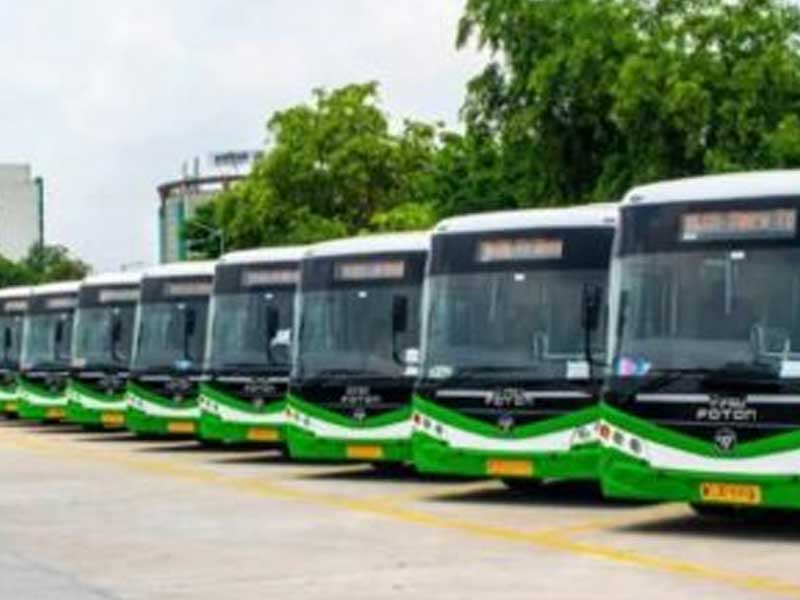
The President stated this in a post on his verified X handle on Sunday, highlighting the rollout of buses, electric vehicles and compressed natural gas (CNG) transportation initiatives across several states.
He stated that his administration was working with state governments, through the Nigeria Governors’ Forum, and private investors, to expand services under the National Affordable CNG Transportation Programme.
According to him, Ekiti State received 15 buses in recent weeks, Lagos received 20, while Akwa Ibom has 50 buses ready for service.
He added that Katsina State had introduced 30 CNG hybrid buses and 200 electric tricycles, while Kano had received 30 CNG buses and five electric buses.
He also disclosed that another rollout was scheduled for Edo State.
Tinubu said Kaduna State’s fleet of 100 CNG buses had transported more than three million passengers.
“Beyond the buses, more than 400 certified centres have converted over 120,000 vehicles to CNG,” he said, adding that the government was expanding refuelling infrastructure to improve access to the fuel and help reduce transportation costs.
The President also acknowledged the pressure that rising petrol prices were placing on households and businesses.
He said the government had waived more than ₦3.3 trillion in fuel taxes and duties as part of measures to cushion the impact of rising prices, but did not provide the how, when or to whom.
According to him, in the next 30 days, NNPC Retail would forgo its profit margin, with priority given to public transport operators, while the government works towards a ceiling of ₦1,350 per litre on wholesale petrol supply costs to reduce price volatility.
“These measures are intended to ease the immediate burden while we continue expanding affordable transportation alternatives,” Tinubu said.
He added that his administration had a responsibility to provide immediate relief without compromising the future of younger generations.
“As President, I have a duty to provide relief today without compromising our children’s future,” he said.
The President also argued that political leaders should explain the cost and sustainability of their campaign promises, warning that commitments without credible funding plans could leave future generations with the burden.
“Anyone seeking to lead Nigeria should be prepared to explain what their promises will cost, how they will deliver them, and whether they can sustain them,” he said.
Tinubu said accounts shared by beneficiaries named Blessing, Ada, Abigail and Kabir had encouraged him, while Emmanuel’s request highlighted the need to extend the services to more communities.
“Our responsibility is to keep expanding access until affordable transportation becomes a reality for more communities across our country,” he said.
He added that the government would continue working with state governments to expand access to affordable transportation.