


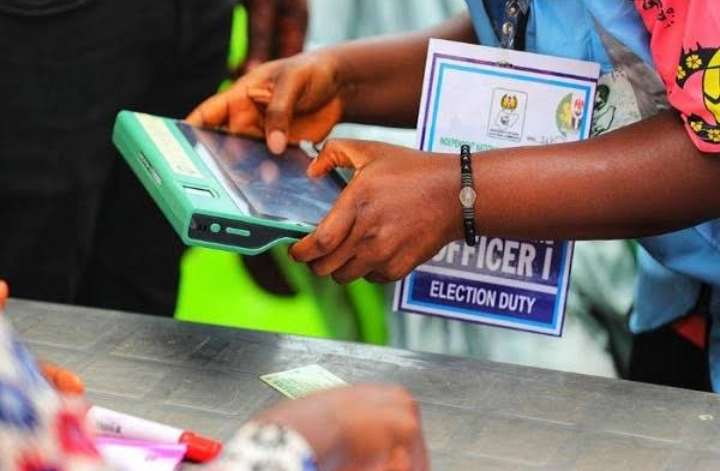
Presidential candidate of the African Democratic Congress (ADC), Atiku Abubakar, has raised concerns over the use of what he described as outdated software on the Bimodal Voter Accreditation System (BVAS), warning that the development could pose serious risks to the credibility and security of Nigeria’s 2027 general elections.
Atiku’s concerns followed the August 1, 2026 mock accreditation exercise in Osun State and a revelation by the Independent National Electoral Commission’s (INEC) Director of ICT, Dr Lawrence Bayode, that the BVAS devices currently operate on Android version 10.

In a statement issued by the Atiku Media Office on Tuesday, the former Vice President noted that Android 10 had reached end-of-life status in 2023 and was no longer receiving regular security updates and patches.
He argued that running critical election infrastructure on an outdated operating system could expose the electoral system to cyber and operational vulnerabilities.
“The ADC Presidential candidate said that running an election technology platform like BVAS on an outdated operating system poses severe cyber and operational risks,” the statement said.

Atiku questioned why INEC, which has substantial budgetary resources, had not upgraded the software well ahead of the 2027 elections or tested an updated system during the series of off-cycle elections, including the forthcoming Osun governorship election.
He described what he called INEC’s “nonchalant attitude” towards the issue as suspicious and potentially capable of undermining confidence in the electoral process.
The ADC candidate warned that vulnerabilities in outdated systems could potentially be exploited by sophisticated attackers to compromise BVAS applications, gain unauthorised access to device files or manipulate cached voter accreditation logs and polling-unit result files before transmission.
He also raised concerns about the transmission of election data from BVAS devices through public telecommunications networks to INEC’s Result Viewing (IReV) portal.
According to him, outdated security and cryptographic frameworks could increase exposure to cyberattacks, including attempts to intercept, block or manipulate data transmitted between polling units and the central system.
Atiku further expressed concern about the biometric functions of BVAS, which include fingerprint and facial recognition, arguing that legacy biometric frameworks could affect the accuracy and resilience of the system against attempts to circumvent authentication mechanisms.
He also warned that software bugs or memory-related problems in legacy systems could lead to application crashes during peak voting periods, potentially resulting in accreditation delays and technical failures.
The former Vice President therefore called for an independent and comprehensive audit of the BVAS hardware and software before the 2027 elections.
He said the audit should include examination of the system’s code, cybersecurity architecture and hardware to identify and address vulnerabilities capable of compromising election integrity.
The Atiku Media Office maintained that ensuring the reliability and security of election technology was essential to restoring public confidence and guaranteeing credible elections in 2027.