

By Rev. Fr. Benedict Agbo
*PREAMBLE
“When the nation is bleeding,” says Cardinal John Onaiyekan, “you can’t expect a polite meeting with the Head of State. We need to let him know.” The President’s reply was that “the nation is not bleeding” – that the economy is doing fine. That is exactly what one would expect to hear from every APC loyalist today.
And the economists among them will readily point to the distinction between macroeconomic and microeconomic indices—as though they patronise a different market in Nigeria, buy their goods from different shops, or purchase fuel from different filling stations.
“We didn’t expect him to agree with us. We have done our duty. We have delivered our message.” And this is precisely where I wish to come in, Your Excellencies!
Yes, you have done your duty most admirably. But your task has not ended. You have poured water on a very hard rock. You have spoken to very deaf ears. And, in the process, you have exposed yourselves as targets of the political establishment.

Two possible reactions should now be anticipated: either the government unleashes suppressive measures or coercive pressure against the Catholic Church. It knows the democratic influence of the Catholic Church in Nigeria—a Church that commands the loyalty of a substantial proportion of the nation’s politically conscious population.
The question therefore is: What should be done next?
*FROM POLITICAL PROPHETISM TO POLITICAL ACTIVISM
Some argue that the duty of prophets ends with speaking truth. But let us examine both Scripture and history.
Did Elijah merely speak? Did he not also act against the prophets of Baal (1 Kings 18)?
Did Elisha merely speak? Did he not also take decisive action (2 Kings 2)?
When Jeremiah spoke, was he not resisted, persecuted, and attacked for confronting corrupt power (Jeremiah 26)?
If we turn the pages of history and examine the emergence of good governance across Europe and America, we find that many Church leaders did far more than issue statements. They spoke, organised, resisted, mobilised, and inspired moral transformation.
Should bishops in a democratic society be reduced to pleading with a President to conduct free and fair elections? Should they not reasonably expect a President to uphold constitutional principles without being reminded? And if those principles are consistently undermined, should they not also be prepared to respond with lawful and constructive action?
Do the bishops not understand the practical limitations of Presidential power within a democratic dispensation? A President cannot execute an electoral agenda alone. He still depends on governors to consolidate political control, many of whom maintain cordial relationships with the bishops. He still depends on legislators to approve his policies, many of whom are close allies of the Church. He still relies on INEC officials – both permanent and ad hoc – many of whom are Catholics. He still depends on members of the military, the police, and the judiciary, many of whom also profess the Catholic faith and remain under the moral influence of their bishops and other religious leaders.
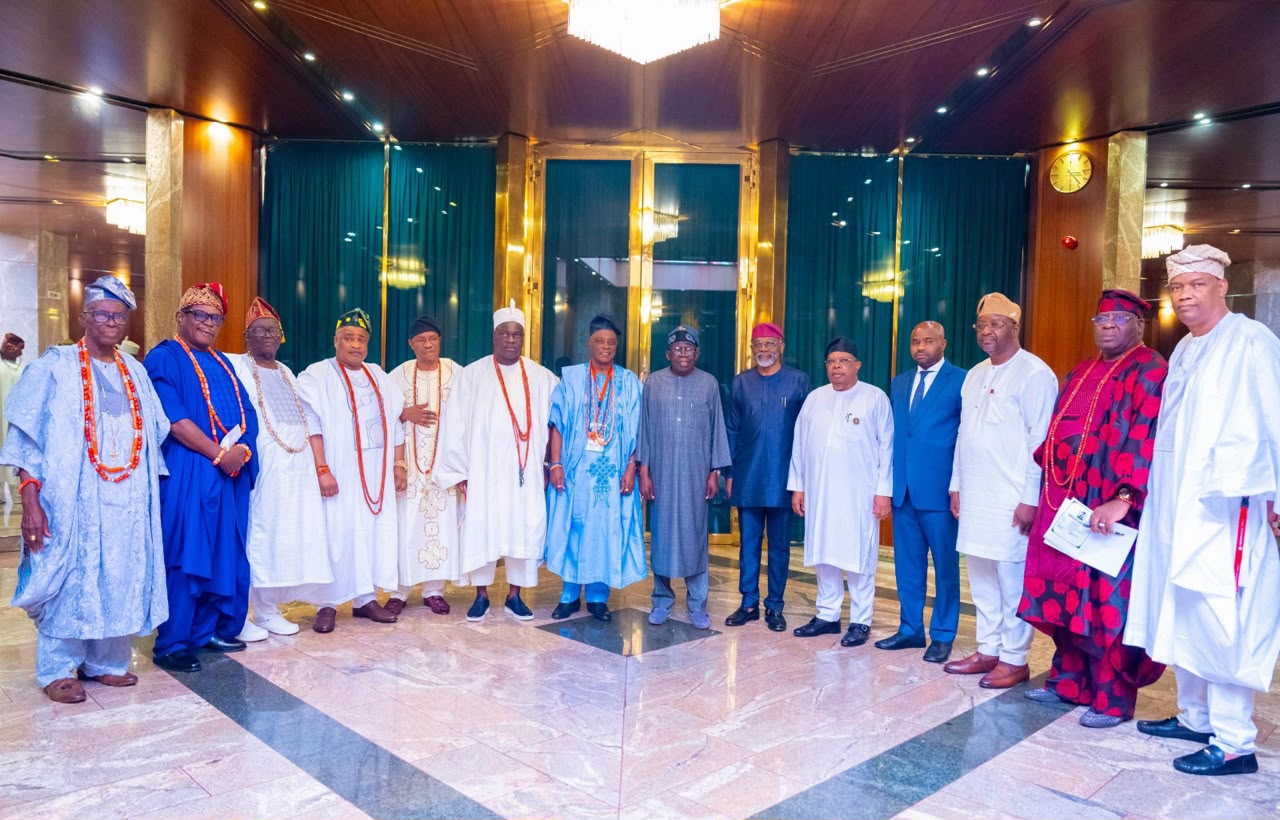
The bishops must recognise that, following this historic meeting with President Bola Ahmed Tinubu, the political battle line has, in many respects, been drawn. Although the Church must never become a partisan political institution, it can no longer afford the luxury of appearing indifferent when fundamental democratic values are perceived to be under threat.
Any referee who awards a penalty against an offending team in the closing minutes of a match should expect the anger of that team, no matter how fair, just, or impeccable the decision may be. Likewise, after publicly confronting those in authority, the Church should expect resistance. It must therefore rally its faithful to do what is lawful, just, and morally necessary, or be prepared to endure the consequences of executive hostility.
The Church should neither play partisan politics nor remain passive while an oppressive government continues to inflict hardship, insecurity, and despair upon the people without principled resistance. At the very least, the Church should deploy every legitimate, constitutional, and moral means within its reach to resist any attempt to undermine the integrity of the 2027 general elections.
*Rev. Fr. Agbo is a Priest of the Catholic Diocese of Nsukka, a political activist, Associate Professor, and Head of the Department of Music, University of Nigeria, Nsukka