

By Ndubuisi Emedosi
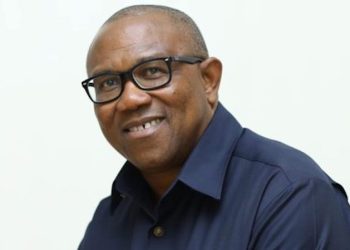
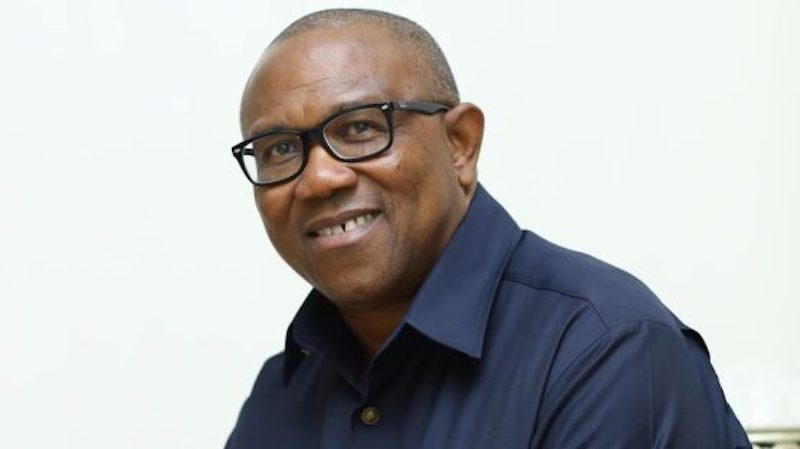
Every studio in Lagos knows the moment: the red light blinks on, the host leans forward, and somewhere, a producer is already fielding calls from listeners asking, “when is Obi coming back?”. It has become a familiar ritual across Nigeria’s airwaves, from breakfast shows in Abuja to late-night phone-ins in Enugu, that no other candidate commands quite the same appetite for unscripted engagement. On-air personalities do not merely tolerate his appearances; they compete for them, because he offers something increasingly rare in Nigerian public life: a willingness to sit, unrehearsed, and answer.

The reasons are not mysterious, and they are grounded in fact rather than sentiment. Mr Peter Obi has built a reputation, dating back to his tenure as the governor of Anambra State, for engaging directly with numbers, policy details, and uncomfortable questions rather than deflecting to talking points. Where many political figures arrive with handlers who pre-screen questions, Obi has repeatedly taken live, unfiltered interviews across radio, television, and podcasts of every ideological stripe – a pattern that gives broadcasters both ratings and the professional satisfaction of substantive exchange. For an industry starved of newsmakers who will actually engage, that is a rare commodity.
Yet this openness has come at a cost. Nigerians who follow the political space closely have observed a consistent pattern: each time Obi delivers a composed, fact-driven appearance, it is followed within days by coordinated attempts at character attack, trending hashtags of dubious origin, recycled misinformation, and commentary that seem less concerned with rebuttal than with distraction. This is not paranoia; it is a phenomenon documented widely enough by media analysts and civil society monitors to warrant its own vocabulary – the language of disinformation networks operating in Nigeria’s political space.
That such attacks intensify precisely after strong public showings tells its own story. It suggests not confidence, but discomfort, a recognition, among those invested in Nigeria’s status quo, that a candidate who can hold his own unscripted before millions is harder to caricature than one who hides behind stage-managed appearances. Attacking the man becomes easier than engaging his arguments.

What remains, after the noise settles, is the simple fact that broadcasters keep inviting him back. In a political culture where access is often curated and answers rehearsed, that continued demand is itself a form of evidence – a quiet, cumulative verdict on which candidates the Nigerian public actually want to hear from, delivered one interview booking at a time.
*Emedosi writes for PO Express Media (POEM).