

By Gloria Akudoro
The Director General of the National Environmental Standards and Regulations Enforcement Agency (NESREA), Prof. Innocent Barikor says the pangolins recently handed over to NESREA in Kano and Akwa Ibom States indicate increasing public awareness and support for wildlife conservation in Nigeria
In a statement on Tuesday by the Assistant Director of Press, NESREA, Nwamaka Ejiofor, an Akwa Ibom local hunter, Imo Etim, whose traps caught two pangolins instead of the grass-cutters he intended, promptly notified Prof. Olajumoke Morenikeji of the Pangolin Conservation Guild Nigeria (PCGN).

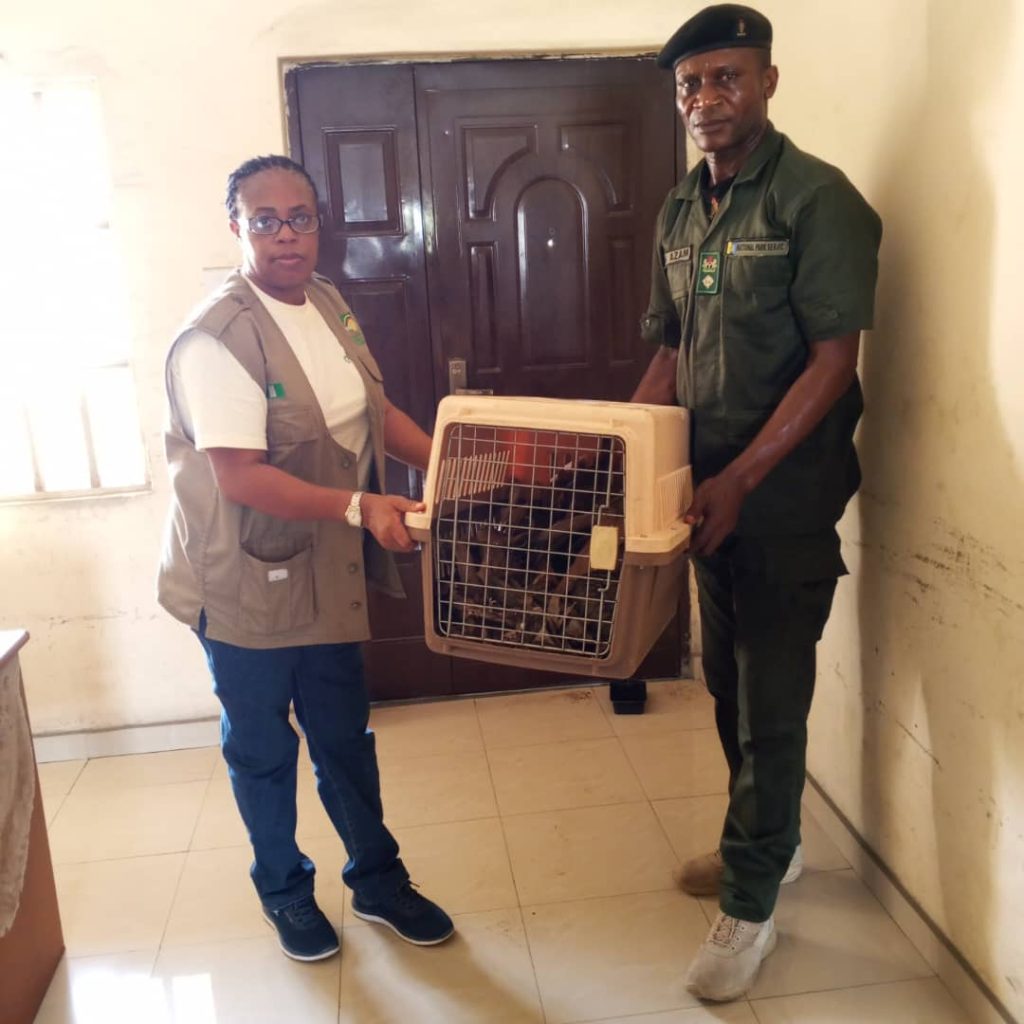
“Although one of the pangolins died, Imo Etim handed over both pangolins to the NESREA officials led by the State Coordinator Mfon Nkanang. The two pangolins were thereafter officially handed over to the National Park Service,” it stated.
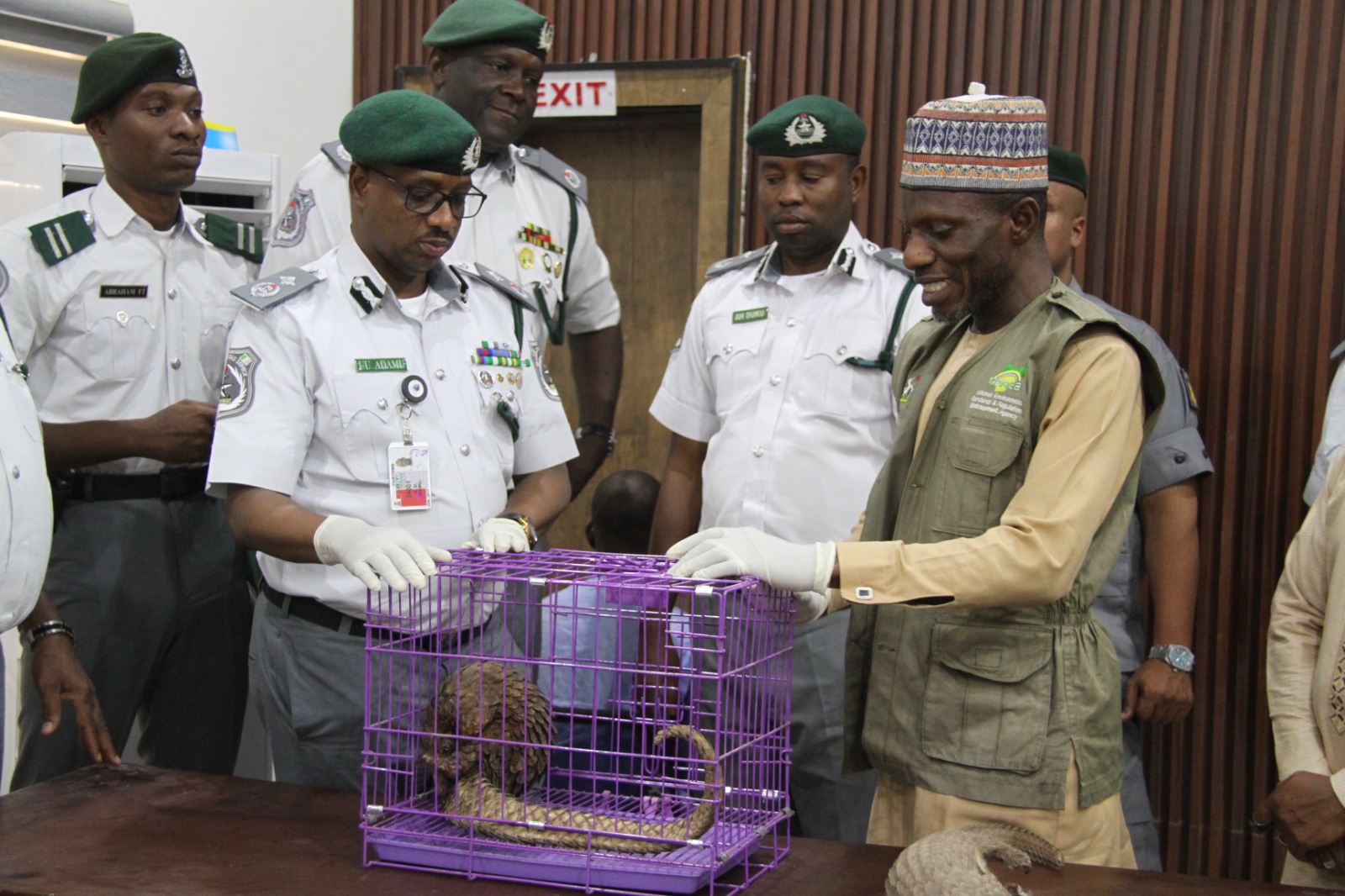
In a related development, officers of the Kano/Jigawa Area Command of the Nigerian Customs Service handed over one dead and two live pangolins suspected to be part of an illegal wildlife trade, to officials of the Agency led by an Assistant Director, Mr. Ismaila Thoulut Anamoh.
The pangolins were subsequently taken by NESREA officials to Kano Zoological Garden officials and received by Hajiya Hafsah Bello Adam, the representative of the Kano State Zoological and Wildlife Management Agency (KAZOWMA),

Reacting to both incidences, the Director General of NESREA, Prof. Barikor commended the actions of the hunter in Akwa Ibom and the collaborative efforts of security agencies in Kano.
He expressed his satisfaction with the growing awareness of protected wildlife species, stating, “These are positive indicators of awareness on wildlife conservation. In Akwa Ibom, when the hunter noticed they were pangolins, he didn’t look for buyers. Rather, he approached the right authorities to hand over the pangolins. That is a big win for conservation efforts in Nigeria.”
Prof. Barikor also attributed the successful operation in Kano to effective inter-agency collaboration in tackling wildlife trafficking, adding that such collaboration gives great hope for wildlife protection in the country.
“We know some of these traffickers operate online through various social media platforms. What they must know is trafficking in wildlife is a criminal offence, whether carried out online or offline. It is prohibited under the Endangered Species Act and the National Environmental (Control of Endangered Species in Domestic and International Trade) Regulations 2025, and we will take action against that,” he said.
Prof. Barikor reaffirmed NESREA’s commitment to enforcing environmental laws and protecting endangered species while urging the public to continue supporting conservation efforts by reporting wildlife crimes to relevant authorities.