


*As FG lays 90,000km super-duper network
The quest by Nigeria to bring to an end fluctuating and slow internet and digital process got a massive boost Thursday as the European Union (EU) unveiled a €22 million (about ₦40 billion) grant to fund the Nigeria’s nationwide fibre-optic programme.
The funding, being provided through the European Bank for Reconstruction and Development (EBRD), will support the Ministry of Communications, Innovation and Digital Economy, under the federal government’s BRIDGE Project, a programme designed to wire the country with high-speed broadband infrastructure.

The grant will complement an €86 million EBRD sovereign loan which is expected to get final approval in few weeks, marking the bank’s first major sovereign operation in Nigeria since the country joined it as a shareholder last year.
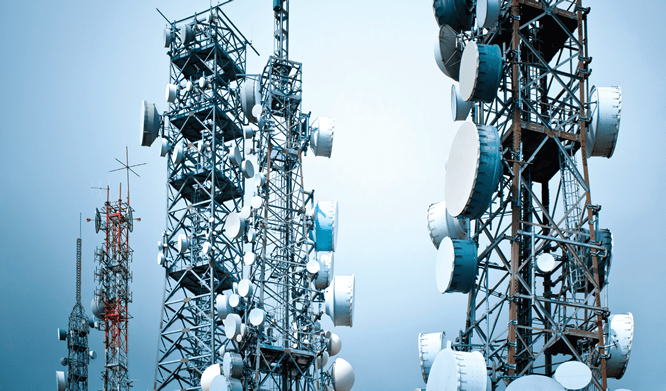
Under the plan, Nigeria will deploy about 90,000 kilometres of fibre-optic cable network across the country, through a Special Purpose Vehicle (SPV) backed by government and private businesses.
Officials say the infrastructure will deliver reliable, secure connectivity nationwide, unlock digital services and drive economic expansion.
Minister of Communications, Innovation and Digital Economy, Dr. Bosun Tijani, described the event as a major milestone in the country’s digital transformation drive.
“We recognise this as critical to delivering Project BRIDGE on schedule. 2026 will be a year of delivery in our cooperation with the EU,” he said.
The project structure gives the private sector a 51 per cent stake in the rollout company, a move designed to attract capital and ensure efficiency.
The financing package will also include support from the World Bank and the African Development Bank (ADB).
Authorities maintain that strict cybersecurity and open-access compliance rules will govern the network to meet international standards.
Technical assistance tied to the grant will fund detailed engineering designs for the first 40,000km of the network including route mapping, safety checks and digital planning, which will enable immediate construction once financing closes.
In addition, 2,000 Nigerian technicians will be trained, while small contractors will receive equipment subsidies and bulk procurement access.
Officials also estimate that the measures will cut rollout costs by up to 30 per cent.
EBRD President, Odile Renaud-Basso, stated that the project would stimulate private investment and expand secure connectivity nationwide.
EU Ambassador, Gautier Mignot, equally described digital infrastructure as a central pillar of Nigeria-EU partnership, adding that trusted networks are essential for citizens and businesses.
The EU intervention forms part of its Global Gateway strategy, an international infrastructure initiative targeting digital access, public services and skills development.
With construction expected soon, authorities say the project could reshape commerce, education, fintech and government services and finally close Nigeria’s broadband gap.