


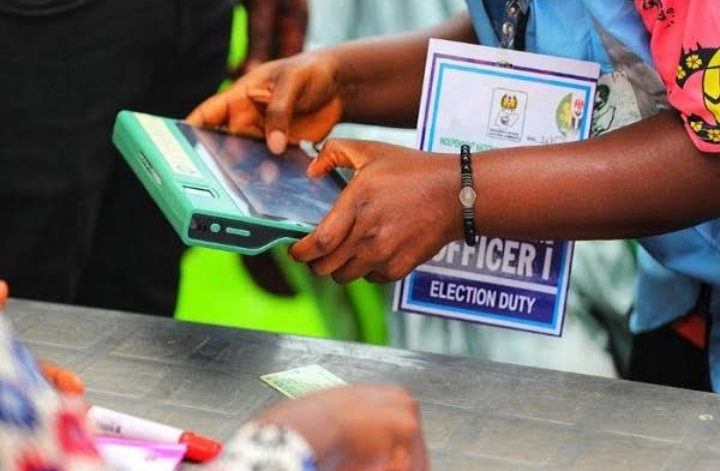
Telecommunications operators in Nigeria have insisted that the country has the capacity to support real-time electronic transmission of election results, dismissing claims of inadequate infrastructure as inaccurate and misleading.

The position comes amid recent remarks in the Senate questioning the readiness of Nigeria’s telecom network to handle electronic transmission during elections.
The Nigerian Communications Commission (NCC) had earlier warned telecom operators to improve service delivery or face regulatory sanctions.
However, operators say assertions about poor infrastructure being used to justify opposition to e-transmission are based on incomplete or outdated information.

The Chairman of the Association of Licensed Telecom Operators of Nigeria (ALTON), Engr. Gbenga Adebayo, said any assessment of telecom coverage should come from the NCC, the industry regulator, rather than from political sources.
“Upon which survey or statistics is the Senate coming up with its position of inadequate telecom infrastructure?” Adebayo queried.
According to him, more than 70 per cent of the country currently has 3G and 4G coverage, while about 11 per cent is covered by 5G networks, with the remaining areas served by 2G.
“Even in reality, 2G is strong enough to transmit results electronically. I do not know where the Senate is getting its information, but we can’t take that blanket ban on electronic transmission based on a half-truth about our infrastructure and investments,” he said.
Adebayo acknowledged that there are limited areas—particularly in two states affected by insurgency—where telecom operators face security risks in maintaining facilities. However, he maintained that such challenges should be addressed collaboratively rather than used as grounds to dismiss electronic transmission entirely.
“It’s not enough to say the country is not ready for electronic transmission,” he added.
The stance of telecom operators aligns with that of the Independent National Electoral Commission (INEC), which in 2022 dismissed concerns over network challenges. The electoral body had stated that results uploaded to its IReV portal would transmit automatically once devices entered areas with network coverage, even if initial uploads were delayed.
Industry stakeholders argue that with existing network spread and technological advancements, Nigeria possesses the technical capacity for real-time e-transmission, urging lawmakers to rely on verified regulatory data in shaping electoral policy.