

By Godwin Onuh Odeh, PhD
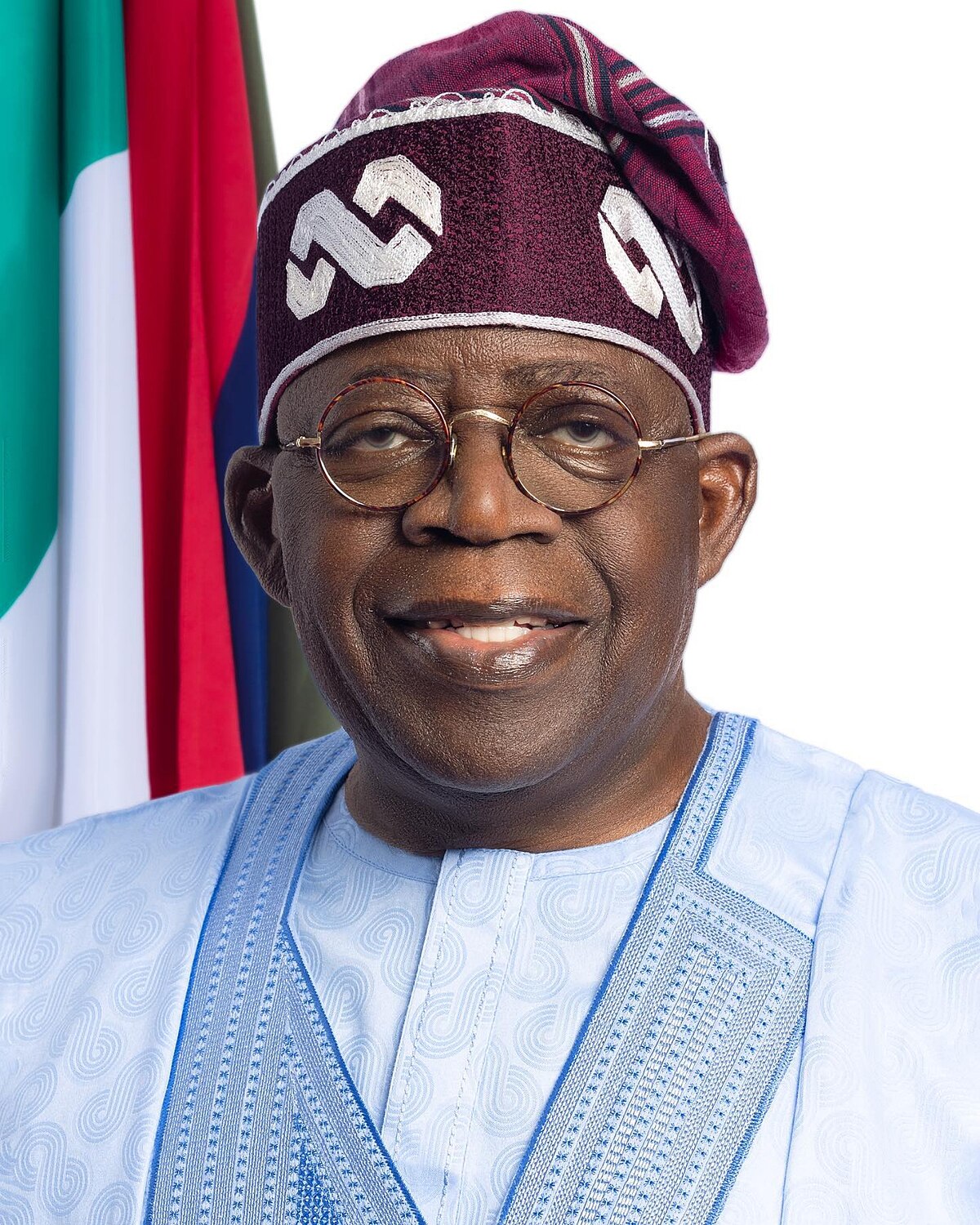
The inauguration of President Ahmed Bola Tinubu’s administration on May 29, 2023, marked a new chapter in Nigeria’s democratic journey. As a seasoned politician and one of the country’s most experienced democrats, expectations were high that Tinubu would deepen the nation’s democracy. However, the recent trend of politicians defecting to the ruling All Progressives Congress (APC) has raised concerns about the state of democracy in Nigeria.

The mass exodus of politicians from other parties to the APC has sparked fears of a one-party state, undermining democratic principles and hindering development. Analysts argue that this trend is driven by selfish interests, with politicians prioritizing power and personal gain over the nation’s democratic values. The APC’s growing dominance has weakened opposition voices, leading to concerns about the health of Nigeria’s multiparty system.
Critics question whether President Tinubu has become so consumed by power that democracy is being sacrificed at the altar of personal ambition. The situation demands attention, as a one-party state could have far-reaching consequences for Nigeria’s political landscape.
However, there’s still hope. Eminent politicians like Rabiu Musa Kwankwaso, Atiku Abubakar, Aminu Waziri Tambuwal, Peter Obi, Nasir El-Rufai, and David Mark, backed by elderly statesman Chief Olusegun Obasanjo, are supporting opposition moves and voices.

To prevent a one-party state, it’s essential to revive and strengthen opposition parties, ensuring they are viable and effective. This can be achieved through internal reforms, capacity building, and support from civil society organizations. The Independent National Electoral Commission (INEC) must also ensure transparency and fairness in the electoral process.
Ultimately, Nigeria’s democracy is at a crossroads. If the current trend continues, the nation risks sliding into a one-party state, stifling democratic growth and development. It’s time for stakeholders to act and safeguard the country’s democratic institutions.