

*Describe Dangote allegations as high-stakes power play
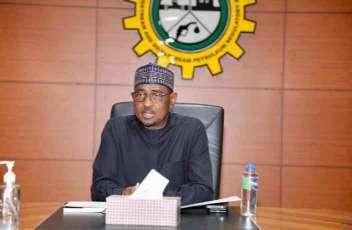
A coalition of over 50 civil society organisations mounted a robust public defence of the Chief Executive Officer of the Nigerian Midstream and Downstream Petroleum Regulatory Authority (NMDPRA), Mr Farouk Ahmed, rejecting the corruption allegations made against him by the Chairman of Dangote Petroleum, Aliko Dangote.

At a joint press conference in Abuja, the CSOs described the accusations as “reckless, unsubstantiated and strategically timed”, arguing that they represent an attempt to weaken the independence of a regulator increasingly assertive in enforcing competition in Nigeria’s oil and gas value chain.
Speaking for the Coalition, Comrade Ibrahim Bello, Convener of the group and National Coordinator of the Centre for Fiscal Transparency and Public Integrity (CFTPI), said the organisations had carried out internal assessments and found “no shred of evidence” to support claims of misconduct by the NMDPRA boss.
“What we see here is not corruption. What we see is resistance to a regulator that has refused to bend. Mr Farouk Ahmed has insisted on fairness, competition and compliance with the law and that appears to have upset powerful interests,” Bello stated.
The CSOs traced the controversy to recent public claims attributed to Dangote, alleging that Ahmed paid $5 million in school fees for his children in Switzerland, an allegation the coalition dismissed as sensational and unsupported by facts.
“No document, no bank trail, no investigative finding has been presented. In any serious democracy, such allegations cannot stand on media headlines alone,” he said.
According to the coalition, the leadership of the NMDPRA under Ahmed has adhered strictly to the Petroleum Industry Act (PIA), using its provisions to deepen transparency, open up the downstream sector and prevent market dominance by any single operator.
They argued that this posture has inevitably placed the regulator on a collision course with entrenched commercial interests accustomed to influence rather than oversight.
Several speakers warned that the sustained public attacks on the NMDPRA risk eroding confidence in Nigeria’s regulatory institutions at a critical moment for energy-sector reform.
“This is bigger than one man. If regulators are bullied for doing their jobs, the entire reform architecture of the petroleum industry collapses,” said Barrister Chukwudi Eze of the Accountability and Democratic Values Initiative.
Others echoed concerns that media-driven accusations, outside formal investigative or judicial channels, undermine due process and send dangerous signals to both local and foreign investors.
The show of unity was striking. Leaders from governance, anti-corruption, faith-based and professional advocacy groups across Nigeria’s six geopolitical zones endorsed the statement, describing Ahmed as a reform-minded regulator whose actions have improved sector credibility and market confidence.
Among those present were Hajiya Fatima Sani of Citizens Watch for Good Governance; Dr Ngozi Okeke of the Nigerian Coalition Against Corruption and Waste; Pastor Emmanuel Adebayo of the Voice of Conscience Foundation; and Prof. Grace Adeyemi of the National Alliance for Ethical Leadership, alongside dozens of others.
While reaffirming their own commitment to transparency, the CSOs urged individuals and corporations with grievances against regulatory decisions to seek redress through established legal and institutional channels not trial by media.
They also called on the Federal Government to stand firmly behind the independence of the NMDPRA, warning that wavering support could embolden attempts to capture the regulator.
The coalition expressed full confidence in Farouk Ahmed and zero tolerance for what they termed “corporate intimidation of public institutions.”